How to Use Liquid Culture: Storage, Injection Amount & Contamination Guide
Learn how to use liquid culture correctly. Covers storage temperature, how much to inject per jar, how long liquid culture lasts, and signs of contamination.
What is a Liquid Culture?
A liquid culture (LC) is a sterile nutrient solution containing actively growing mushroom mycelium. Unlike spore syringes that require germination, liquid cultures provide ready-to-grow mycelium that colonises substrates quickly and reliably.
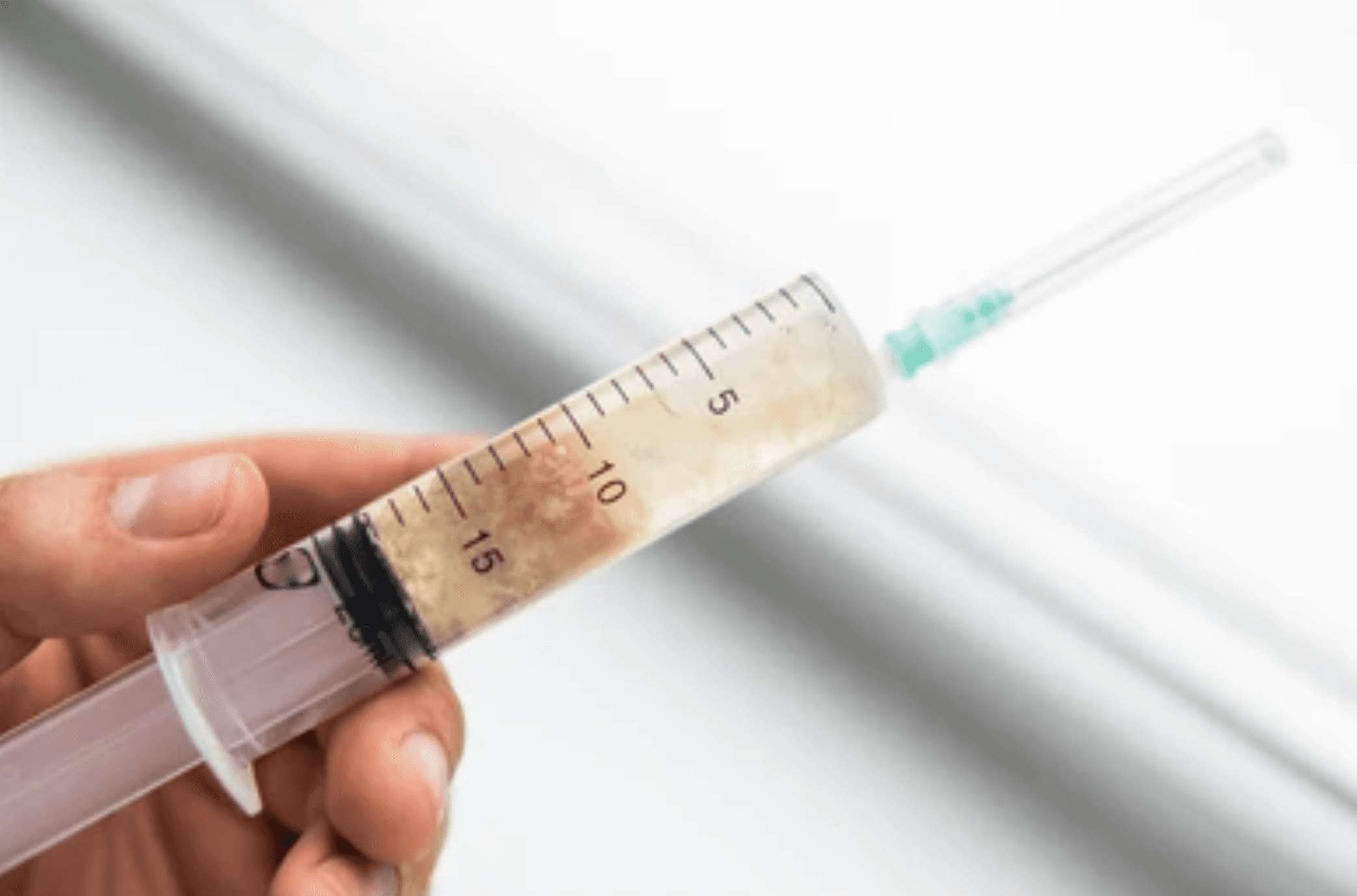
This guide applies to oyster mushrooms, lion's mane, cordyceps, and most gourmet species.
Liquid cultures offer several advantages for home cultivators:
- Faster colonisation - Active mycelium begins growing immediately
- More reliable - No waiting for spore germination
- Easier to work with - Clear visual indicators of health
- Cost effective - One syringe can inoculate multiple jars
Liquid Culture vs Spore Syringe
| Feature | Liquid Culture | Spore Syringe |
|---|---|---|
| Contains live mycelium | ✅ Yes | ❌ No |
| Germination required | ❌ No | ✅ Yes |
| Colonisation speed | Fast | Slower |
| Contamination risk | Lower (if clean) | Higher |
| Best for | Beginners & consistency | Strain isolation |
Proper Storage
Store your liquid cultures in a refrigerator at 2-8°C (35-46°F). This slows mycelium growth while keeping it viable. For best performance, use within 3-6 months. Cultures may remain viable longer if stored correctly.
Important: Never freeze liquid cultures. Ice crystals will damage the mycelium cells and render the culture unusable.
Storage Tips
- Keep the seal intact until ready to use
- Store away from direct light
- Check for contamination before each use
- Shake gently before drawing into syringe
- Allow to reach room temperature before inoculating
How Long Does Liquid Culture Last?
For best performance, use liquid culture within 3-6 months of purchase. Cultures stored correctly at refrigerator temperatures may remain viable for 6-12 months, though viability declines gradually over time.
Signs your culture may be past its prime:
- Less visible mycelium than when fresh
- Slower colonisation after inoculation
- Weaker or thinner mycelial strands
If your culture is older than 6 months, consider testing on a single jar before committing to a full batch.
What Temperature Should Liquid Culture Be Stored At?
The ideal liquid culture storage temperature is 2-8°C (35-46°F) - a standard refrigerator. This range slows mycelium metabolism while keeping it alive and healthy.
Avoid storing liquid culture:
- At room temperature (accelerates metabolism and shortens lifespan)
- In the freezer (ice crystals destroy mycelium cells)
- Near the back of the fridge where it may freeze
Injection Volumes
The amount of liquid culture you inject depends on your container size and substrate type.
Injection volumes assume sterilised grain (wheat, rye, oats) or commercial spawn bags with injection ports.
| Container | Recommended Volume |
|---|---|
| 500ml jar | 1.5-2ml |
| 1L jar | 2-3ml |
| Unicorn bag (2kg) | 5-8ml |
| Spawn bag (5kg) | 8-12ml |
Tips for Optimal Inoculation
- Shake the syringe gently before use to distribute mycelium evenly
- Flame sterilise the needle between jars
- Inject at multiple points for faster colonisation
- Don't over-inoculate - excess liquid can cause wet spots, bacterial bloom, and slower recovery
How Much Liquid Culture Should I Inject Per Jar?
The amount depends on jar size. For a standard 500ml jar, inject 1.5-2ml of liquid culture. For a 1L jar, use 2-3ml. These volumes provide enough mycelium to colonise the grain without adding excess moisture.
If you're unsure how much liquid culture per jar to use, start with the lower end of the range. You can always inoculate more jars with the remaining culture.
Can You Over-Inoculate With Liquid Culture?
Yes - and it's a common beginner mistake. Adding too much liquid culture causes:
- Excess moisture - wet spots in grain that invite contamination
- Bacterial bloom - bacteria thrive in overly wet conditions
- Stalled colonisation - mycelium struggles to recover from waterlogged grain
More liquid culture does not mean faster colonisation. The mycelium will colonise at the same rate regardless - you're just adding unnecessary risk. Stick to recommended volumes and let the culture do its work.
Signs of Healthy vs Contaminated Culture
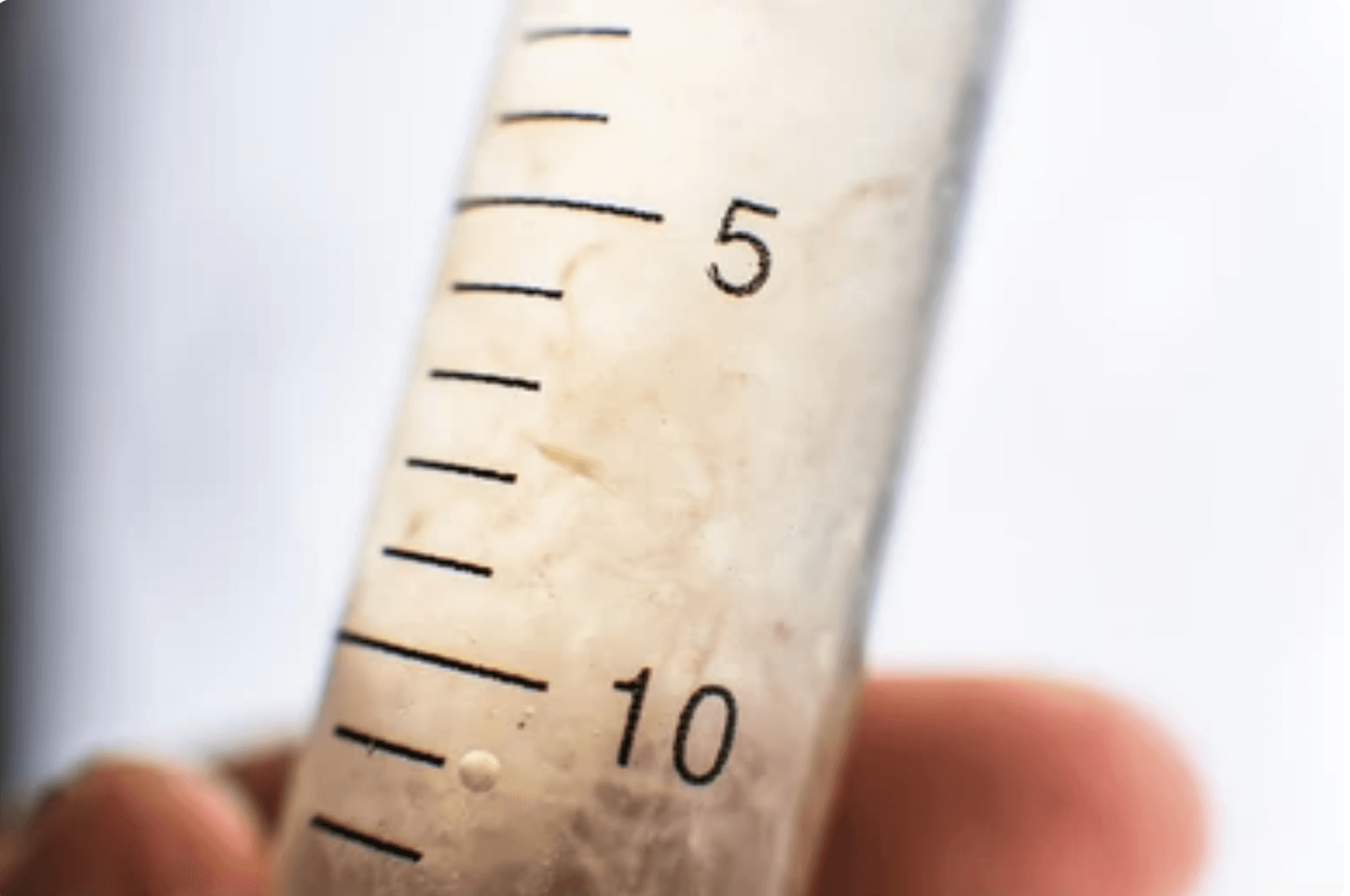
Healthy Culture
- Cloudy white appearance
- Wispy mycelium strands visible when shaken
- Neutral or slightly sweet smell
- Consistent texture throughout
Healthy liquid culture should show distinct mycelial strands or clumps when shaken. If the solution remains uniformly milky with no visible structure, it may indicate bacterial contamination.
Contaminated Culture
- Unusual colours (green, black, pink, orange)
- Foul or sour smell
- Slimy or chunky appearance
- Separation of layers
- No visible mycelium after storage
Using Your Liquid Culture
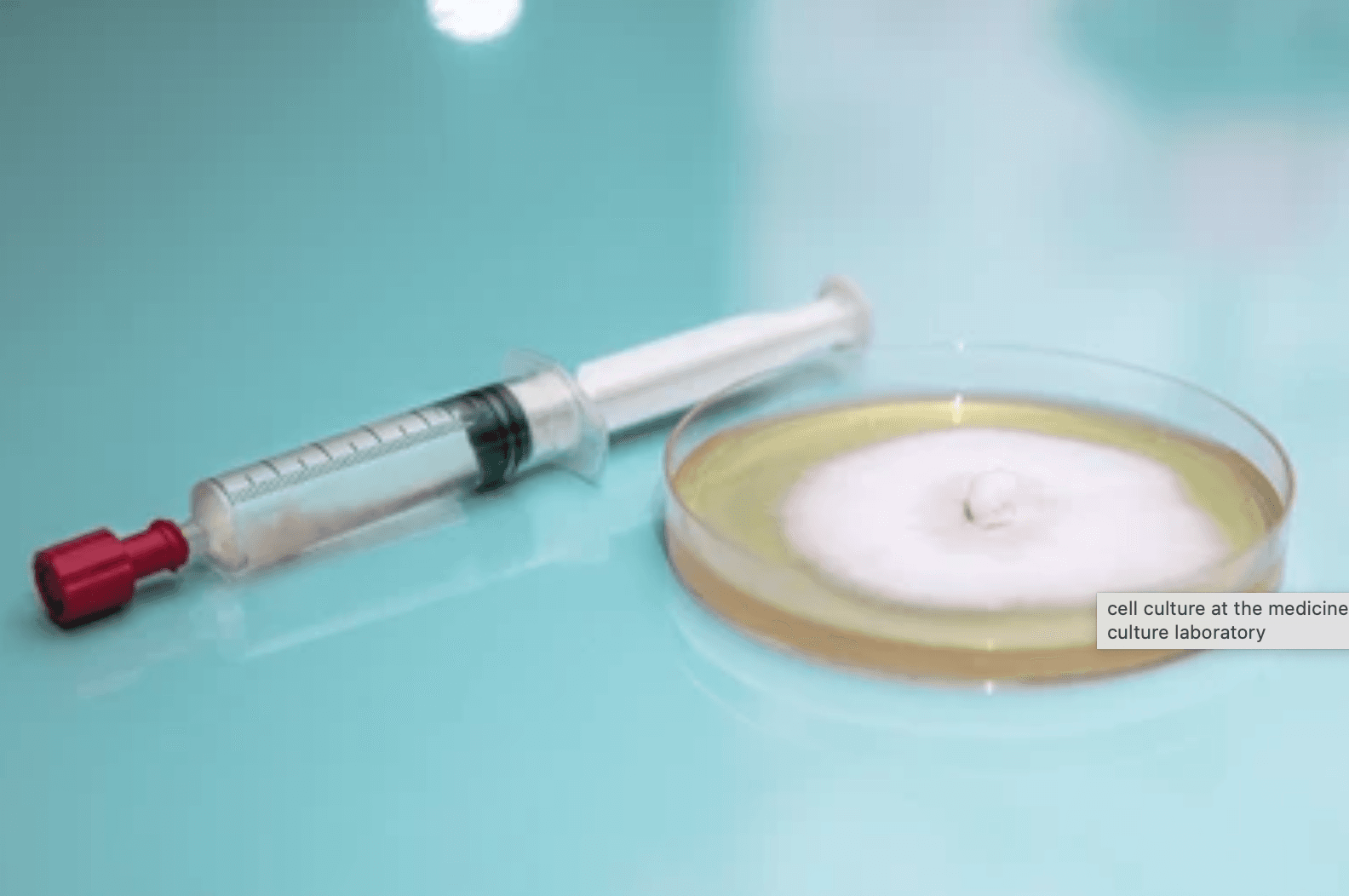
Before Inoculation
- Remove from refrigerator 30 minutes before use
- Shake gently to resuspend mycelium
- Prepare your sterile workspace
- Have all materials ready and sanitised
During Inoculation
- Wipe injection port with alcohol
- Flame sterilise needle until red hot
- Allow needle to cool for 5 seconds
- Inject specified volume at injection point
- Flame sterilise between containers
After Inoculation
- Store inoculated containers at appropriate temperature
- Monitor for signs of growth (usually visible within 3-7 days)
- Watch for any contamination indicators
- Be patient - colonisation takes 2-4 weeks typically
Optional: Test Before Bulk Inoculation
If you're using a liquid culture for the first time, consider inoculating one test jar before committing an entire batch. This allows you to confirm culture health and sterility before scaling up.
Troubleshooting Common Issues
No Growth After 2 Weeks
- Temperature may be too low or too high
- Culture may have been inactive
- Substrate may be too wet or dry
If you suspect an issue with your culture, take photos and contact us within 7 days of inoculation. We're happy to help diagnose problems.
Slow Colonisation
- Check incubation temperature (20-24°C is ideal for most species)
- Ensure adequate gas exchange
- Consider multiple inoculation points next time
Contamination Appeared
- Review your sterile technique
- Check your still air box setup
- Ensure substrate was properly sterilised
Frequently Asked Questions
Can liquid culture go bad?
Yes. Liquid culture can become contaminated with bacteria or mould, especially if stored improperly or kept too long. Always inspect your culture before use - look for unusual colours, foul smells, or lack of visible mycelium structure.
How long does liquid culture last in the fridge?
Liquid culture typically remains viable for 3-6 months when refrigerated at 2-8°C. Some cultures may last 6-12 months if stored correctly, though performance declines over time.
Can you freeze liquid culture?
No. Freezing liquid culture will destroy the mycelium. Ice crystals rupture cell walls, rendering the culture unusable. Always store in a refrigerator, never a freezer.
How much liquid culture should I use for a 1L jar?
For a 1L jar of sterilised grain, inject 2-3ml of liquid culture. This provides sufficient mycelium for colonisation without adding excess moisture.
Why is my liquid culture cloudy?
Some cloudiness is normal and indicates mycelium growth. Healthy cultures should show distinct wispy strands or clumps when shaken. If the solution is uniformly milky with no visible structure, it may indicate bacterial contamination.
Make Your Own Liquid Culture
Want to expand your cultures or create your own? We have recipes for every skill level:
Honey Liquid Culture
BeginnerIngredients
Honey + distilled water
Colonisation time
7–14 days
Difficulty
Very easy
Best for:
- ✓First liquid culture recipe
- ✓Budget-friendly setup
- ✓Learning sterile technique
Next Steps
Once you have inoculated your grain or substrate, maintain proper incubation conditions and watch for colonisation. Check our troubleshooting guide if you encounter any issues.
Ready to learn proper sterile technique? Read our guide on still air box basics.
Comments (1)
Appreciate the calculators