Simple Honey Liquid Culture Recipe
The easiest liquid culture recipe for beginners. Using just honey and water, create a reliable nutrient solution for expanding your mycelium quickly and affordably.
Why Honey Liquid Culture?
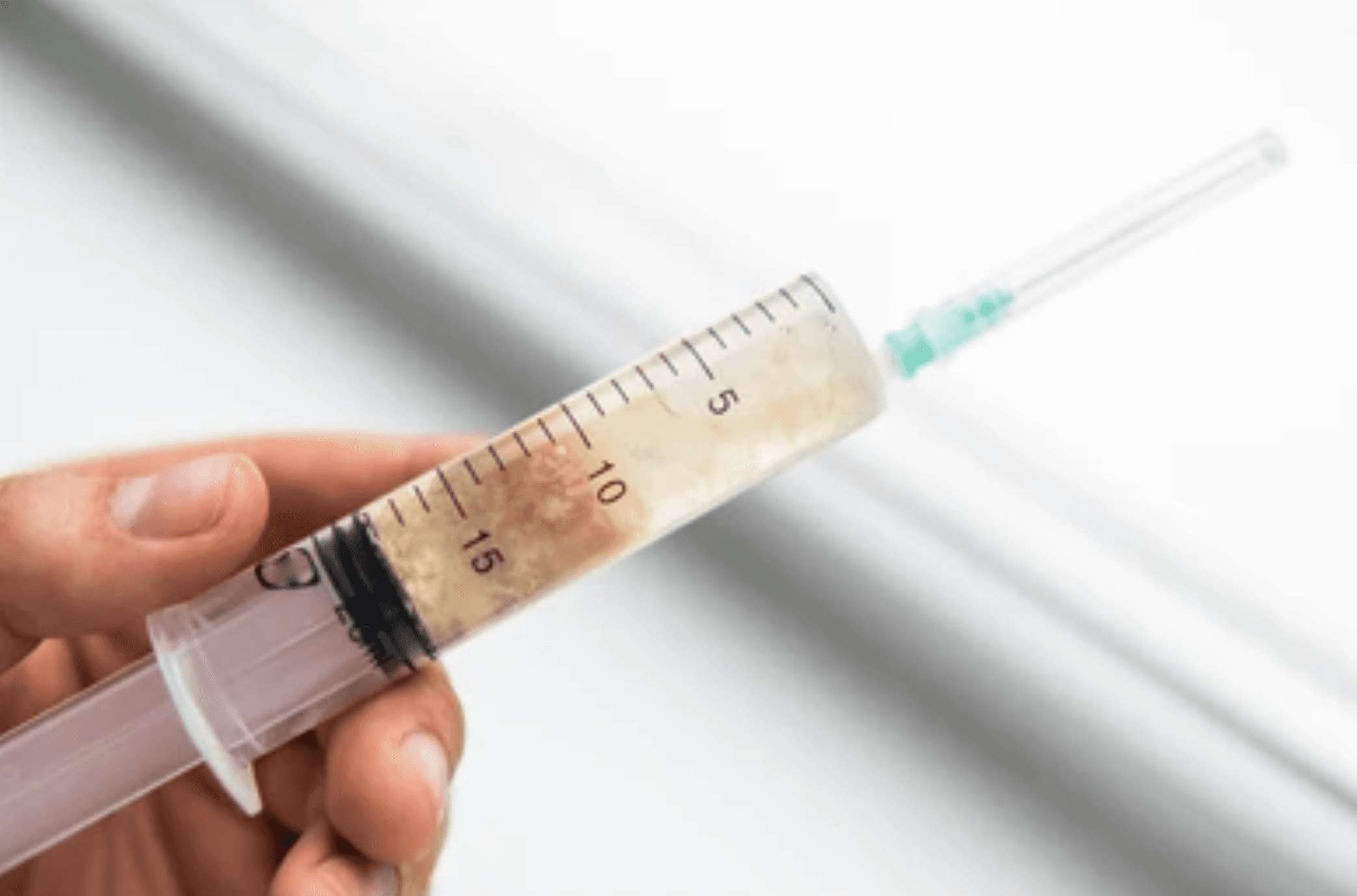
Honey liquid culture is the perfect starting point for new cultivators. It requires minimal, affordable ingredients and produces reliable results. The natural sugars in honey provide an excellent food source for developing mycelium, and the recipe is forgiving enough for those still perfecting their sterile technique.
Advantages
- Minimal ingredients - Just honey and water
- Affordable - Uses common household items
- Beginner friendly - Simple preparation
- Versatile - Works with most gourmet species
- Clear solution - Easy to spot contamination
Ingredients
| Ingredient | Amount per 500ml | Amount per 1L |
|---|---|---|
| Raw or clear honey | 20g | 40g |
| Distilled water | 500ml | 1000ml |
Notes on Honey Selection
Any clear, unflavoured honey works well. Raw honey contains trace minerals and nutrients that can benefit mycelium growth. Avoid flavoured honeys or those with added ingredients. Organic honey is preferred but not essential.
Why 4% Concentration?
The 4% sugar concentration (20g per 500ml) is the widely accepted standard in mycology. Concentrations between 3-5% work well, but exceeding 5% can slow growth, and concentrations above 10% can actually harm your mycelium. More is not better when it comes to liquid culture nutrients.
Recipe Calculator
For 500ml of Honey Liquid Culture:
- Honey20.0g
- Distilled water500ml
4% honey concentration - the standard for beginners.
Equipment Needed
Essential
- Mason jars with modified lids (self-healing injection port + filter)
- Pressure cooker or autoclave
- Digital scales (accurate to 0.1g)
- 10ml sterile syringes with 16-18 gauge needles
- Distilled water
- 70% isopropyl alcohol
- Micropore tape
- Aluminium foil
- Still air box or laminar flow hood
Optional but Helpful
- Magnetic stir bar and plate
- Glass marbles (for manual agitation)
- Thermometer
- pH meter
Step-by-Step Preparation
Step 1: Prepare Your Workspace
- Clean your work surface thoroughly with 70% isopropyl alcohol
- Gather all equipment and ingredients
- Ensure your pressure cooker is clean and functioning
Step 2: Mix the Solution
- Heat 500ml of distilled water until warm (not boiling)
- Add 20g of honey to the warm water
- Stir until completely dissolved
- Allow to cool to room temperature
Step 3: Prepare the Jars
- Pour the solution into your mason jar, filling to approximately 60-70% capacity
- Add a magnetic stir bar or clean glass marble
- Secure the modified lid tightly
- Cover the top of the jar with aluminium foil to protect the filter during sterilisation
Step 4: Sterilise
- Place jars in your pressure cooker on a rack or trivet
- Add water to the pressure cooker as per manufacturer instructions
- Bring to 15 PSI (121°C)
- Maintain pressure for 20-25 minutes
- Allow pressure to drop naturally before opening
Important: Do not sterilise for longer than 30 minutes. Extended sterilisation can caramelise the sugars, turning the solution amber and making it unsuitable for mycelium growth.
Step 5: Cool and Store
- Allow jars to cool completely to room temperature (this may take several hours)
- Do not remove the foil until ready to inoculate
- Store in a clean, dark place until needed
Inoculation
Using a Liquid Culture Syringe
- Set up your still air box and spray with 70% alcohol
- Allow 10 minutes for air to settle
- Flame sterilise your needle until red hot, allow to cool briefly
- Remove the foil and wipe the injection port with alcohol
- Inject 1-2ml of liquid culture through the self-healing port
- Replace foil or micropore tape over the injection site
Using an Agar Wedge
- Work in your still air box with excellent sterile technique
- Flame sterilise your scalpel
- Cut a small piece of colonised agar (approximately 1cm²)
- Carefully open the jar lid and drop the wedge into the solution
- Quickly reseal the jar
Incubation
Optimal Conditions
- Temperature: 22-26°C for most gourmet species
- Light: Dark or low ambient light
- Duration: 7-14 days depending on species and inoculation method
Agitation
Regular agitation helps distribute mycelium throughout the solution and promotes faster growth.
- Magnetic stirrer: Run for 30 seconds, 2-3 times daily
- Manual method: Gently swirl the jar 2-3 times daily
- Do not shake vigorously as this can stress the mycelium
Monitoring Progress
Days 1-3
Little to no visible growth is normal. The mycelium is adapting to the liquid environment.
Days 4-7
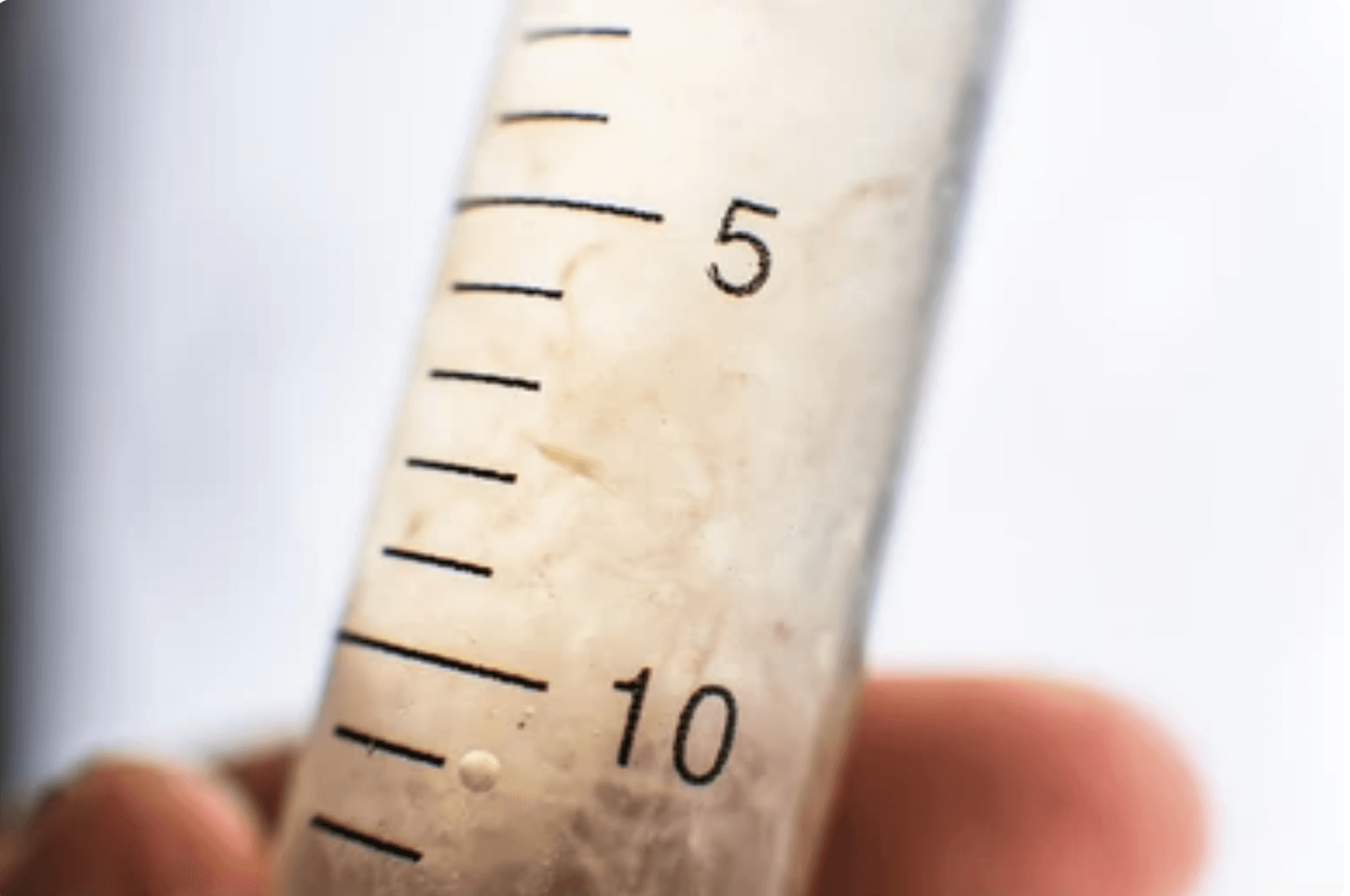
You should begin to see wispy white strands forming in the solution. These may appear at the bottom near the stir bar or agar wedge.
Days 7-14
Mycelium should be spreading throughout the solution. The liquid may appear slightly cloudy with visible mycelial masses. Regular agitation will break these up into smaller pieces, creating more inoculation points.
Ready to Use
Your liquid culture is ready when you can see abundant white mycelial growth distributed throughout the solution. The liquid should remain relatively clear with visible white strands suspended within it.
Signs of Contamination
Discard your culture immediately if you observe any of the following:
- Bacterial contamination: Cloudy, murky appearance without visible mycelial strands
- Mould: Green, black, or coloured spots or films
- Yeast: Excessive cloudiness with sour or alcoholic smell
- Off odours: Sour, putrid, or unpleasant smells
Healthy liquid culture should have a pleasant, slightly sweet, mushroomy aroma.
Storage
Short-term Storage
- Keep at room temperature and use within 2-4 weeks
- Agitate regularly to maintain viability
Long-term Storage
- Refrigerate at 2-8°C for up to 6 months
- Allow to warm to room temperature before use
- Agitate gently after refrigeration to redistribute mycelium
Common Problems
No Growth After 2 Weeks
Causes: Dead inoculant, temperature too low, contamination killed mycelium
Solutions: Verify temperature is in optimal range, ensure inoculant was viable, check for subtle contamination signs
Caramelised Solution (Amber Colour)
Causes: Over-sterilisation, excessive heat during mixing
Solutions: Reduce sterilisation time to 20 minutes, do not boil the solution when mixing
Excessive Cloudiness Without Visible Mycelium
Causes: Bacterial contamination
Solutions: Discard and review sterile technique, ensure all equipment was properly sterilised
Mycelium Not Spreading
Causes: Inadequate agitation, temperature too low
Solutions: Increase agitation frequency, check incubation temperature
Tips for Success
- Use distilled water - Tap water contains chlorine and minerals that can inhibit growth
- Patience is essential - Don't rush the process or over-inoculate
- Maintain sterility - Your success rate directly correlates with sterile technique
- Keep consistent temperatures - Fluctuations stress the mycelium
- Agitate regularly - This is crucial for even distribution and faster colonisation
What's Next?
Once your liquid culture is fully colonised, you can use it to:
- Inoculate grain spawn - Use 1-2ml per jar of sterilised grain
- Create more liquid culture - Expand your supply by inoculating fresh solution
- Inoculate agar plates - For isolation and long-term storage
- Direct substrate inoculation - For some species and substrates
Ready to take your liquid cultures to the next level? Check out our Light Malt Extract Liquid Culture Recipe for faster, more vigorous growth.