Professional Liquid Culture Recipe with Peptone
A laboratory-grade liquid culture recipe using peptone and yeast extract for rapid mycelial expansion. The gold standard for serious cultivators and commercial operations.
Why Use Peptone and Yeast Extract?
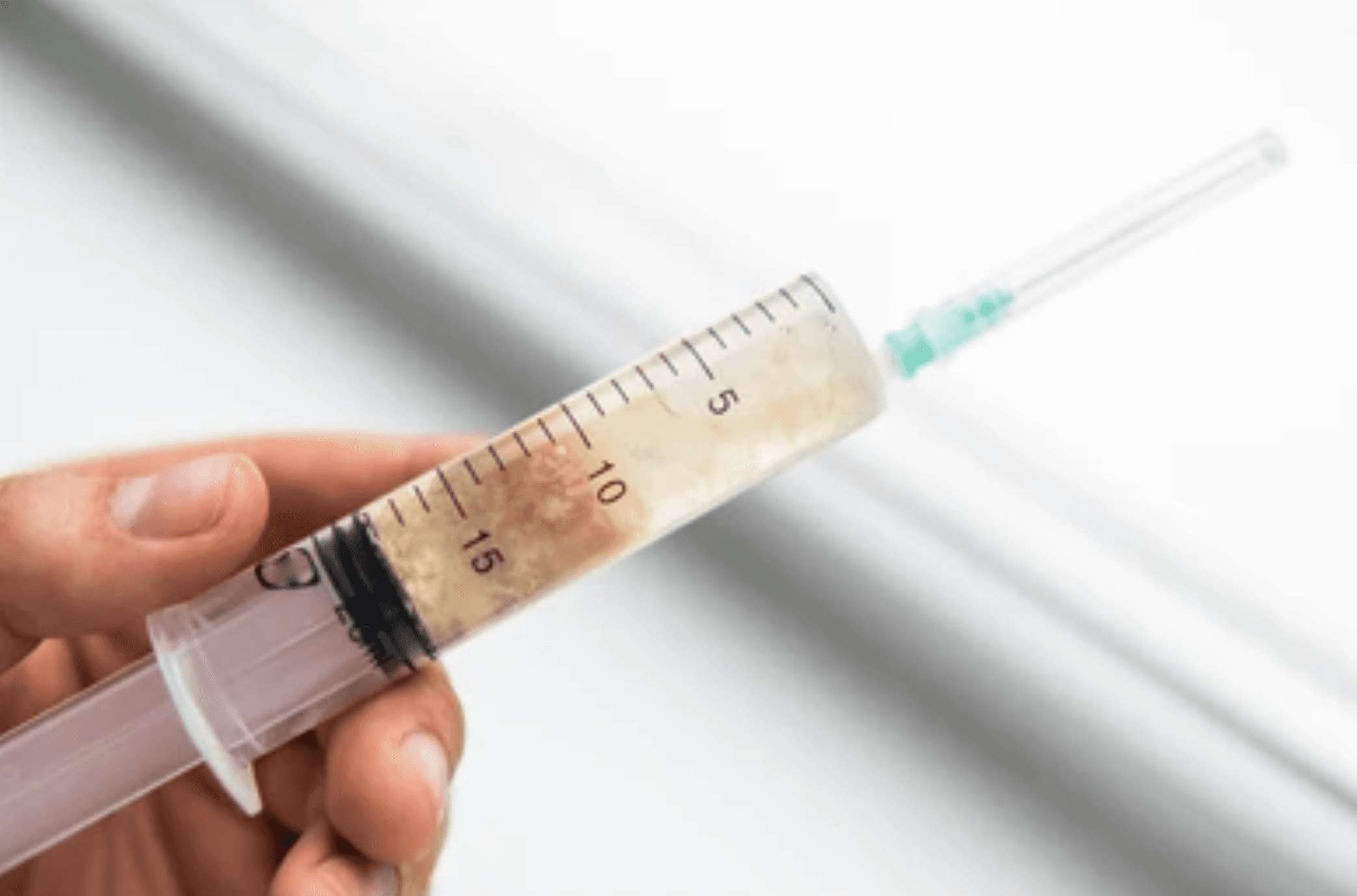
This professional-grade recipe combines multiple nutrient sources to create an optimal growth environment for mycelium. The addition of peptone provides nitrogen and essential amino acids, whilst yeast extract contributes B vitamins, minerals, and growth-stimulating compounds. Together, they significantly accelerate mycelial expansion compared to sugar-only recipes.
This recipe closely mirrors laboratory-standard media used in mycological research and commercial cultivation. If you're serious about mycology or scaling up your operation, this is the recipe to master.
Advantages
- Fastest growth - Colonisation times reduced by 20-30%
- Laboratory standard - Proven in research and commercial settings
- Complete nutrition - Provides carbohydrates, nitrogen, amino acids, and vitamins
- Vigorous mycelium - Produces healthy, aggressive growth
- Scalable - Ideal for commercial operations
Trade-offs
- Reduced clarity - Peptone makes the solution slightly cloudy
- Higher cost - Specialised ingredients required
- Availability - Some ingredients require ordering from suppliers
Recipe
Standard Professional Recipe
| Ingredient | Amount per 500ml | Amount per 1L |
|---|---|---|
| Light malt extract (LME) | 10g | 20g |
| Dextrose | 3g | 6g |
| Soy peptone | 1g | 2g |
| Yeast extract | 0.5g | 1g |
| Distilled water | 500ml | 1000ml |
Alternative: Karo-Based Professional Recipe
| Ingredient | Amount per 500ml | Amount per 1L |
|---|---|---|
| Light Karo corn syrup | 10ml | 20ml |
| Light malt extract (LME) | 5g | 10g |
| Soy peptone | 1g | 2g |
| Yeast extract | 0.5g | 1g |
| Distilled water | 500ml | 1000ml |
Optional Enhancements
For cultivators wanting to optimise further, these additions can improve results:
| Ingredient | Amount per 1L | Purpose |
|---|---|---|
| Gypsum (calcium sulphate) | 0.75g | Mineral supplementation |
| Magnesium sulphate | 0.5g | Enzyme cofactor |
Note: These additions will increase cloudiness but can improve growth rates for certain species.
Recipe Calculator
For 500ml of Standard Professional:
- Light malt extract10.0g
- Dextrose3.0g
- Soy peptone1.0g
- Yeast extract0.5g
- Distilled water500ml
Laboratory-grade recipe for maximum growth speed.
Understanding the Ingredients
Peptone
Peptone is a mixture of peptides and amino acids produced by enzymatic digestion of proteins. It provides the nitrogen that mycelium needs to synthesise proteins and build cellular structures. Soy peptone is preferred for its consistent quality and vegan-friendly profile, though bacteriological-grade beef or casein peptones also work well.
Where to buy: Laboratory suppliers, mycology specialty shops, some brewing supply stores
Storage: Keep in a sealed container in a cool, dry place. Fresh peptone produces better results.
Yeast Extract
Yeast extract is produced from autolysed (self-digested) nutritional yeast. It's rich in B vitamins, which act as enzyme cofactors, and contains various amino acids and growth factors that can stimulate mycelial development. Many cultivators report that yeast extract helps "kickstart" slow-growing cultures.
Where to buy: Laboratory suppliers, brewing supply stores, some health food shops
Storage: Sealed container, cool and dry. Protect from moisture.
Why This Combination Works
Each component serves a specific function:
- Light malt extract: Complex carbohydrates and trace nutrients
- Dextrose: Immediately available simple sugar
- Peptone: Nitrogen source and amino acids for protein synthesis
- Yeast extract: Vitamins, minerals, and growth factors
The combination creates a complete nutritional environment that supports rapid mycelial expansion whilst maintaining culture health across multiple generations.
Equipment Requirements
Essential
- Mason jars with modified lids (self-healing injection port + filter)
- Pressure cooker or autoclave
- Precision digital scale (accurate to 0.01g for peptone/yeast extract)
- 10ml sterile syringes with 16-18 gauge needles
- Distilled or reverse osmosis water
- 70% isopropyl alcohol
- Aluminium foil
- Still air box or laminar flow hood
Strongly Recommended
- Magnetic stir bar and stir plate
- pH strips or meter (optimal range 5.5-6.5)
- Sterile pipettes for precise small-volume measurements
- Laboratory-grade weighing paper
Preparation Procedure
Step 1: Prepare Ingredients
Accurate measurement is critical with this recipe, particularly for the smaller quantities.
- Clean and sanitise your workspace
- Tare your scale with weighing paper
- Measure each ingredient separately:
- Weigh LME (10g per 500ml)
- Weigh dextrose (3g per 500ml)
- Weigh peptone (1g per 500ml)
- Weigh yeast extract (0.5g per 500ml)
- Keep ingredients separated until mixing
Step 2: Mix the Solution
- Pour distilled water into a clean saucepan
- Heat gently over low-medium heat
- Add ingredients in order, stirring continuously:
- First: Light malt extract (stir until dissolved)
- Second: Dextrose (stir until dissolved)
- Third: Peptone (stir thoroughly, it may not fully dissolve)
- Fourth: Yeast extract (stir until incorporated)
- Continue heating and stirring until solution is homogeneous
- Remove from heat
Note: The peptone and yeast extract will give the solution a slightly cloudy appearance. This is normal and expected.
Step 3: Check pH (Optional but Recommended)
Most mushroom species prefer a slightly acidic environment.
- Allow solution to cool to room temperature
- Test pH using strips or meter
- Optimal range: 5.5-6.5
- Adjust if necessary:
- Too acidic: Add tiny amounts of baking soda
- Too alkaline: Add drops of lemon juice or citric acid
Step 4: Fill and Prepare Jars
- Pour solution into mason jars (60-70% capacity)
- Add magnetic stir bar to each jar
- Secure modified lids tightly
- Cover with aluminium foil
Step 5: Sterilise
This recipe requires careful sterilisation to avoid denaturing the peptone while ensuring sterility.
- Place jars in pressure cooker on trivet
- Add appropriate amount of water
- Bring to 15 PSI (121°C)
- Maintain for exactly 20 minutes
- Do not exceed pressure or time
- Allow natural pressure release
Critical: Over-sterilisation will caramelise sugars AND denature proteins in the peptone, significantly reducing effectiveness. Strict timing is essential.
Step 6: Post-Sterilisation Assessment
Examine your cooled jars:
- Solution should be light yellow to light amber
- Slight cloudiness from peptone is normal
- No dark brown caramelisation
- No sediment separation (agitate if settled)
Inoculation
Sterile Technique Requirements
This recipe requires excellent sterile technique. Any contamination will outcompete your mycelium in this nutrient-rich environment.
- Work in laminar flow hood if possible (SAB acceptable with excellent technique)
- Flame sterilise all tools
- Minimise exposure time
- Wipe all surfaces with 70% alcohol
Recommended Inoculation Methods
From existing liquid culture (preferred):
- Use 1-2ml per 500ml of new solution
- Produces fastest colonisation
From agar wedge:
- Cut from leading edge of healthy mycelium
- Approximately 1cm² piece
- Drop into solution and seal immediately
Note: Spore inoculation is possible but not recommended for this recipe. The nutrient richness increases contamination risk during the longer colonisation period that spores require.
Incubation Protocol
Environmental Conditions
| Factor | Optimal Range |
|---|---|
| Temperature | 24-26°C |
| Light | Dark or very low ambient |
| Duration | 5-10 days |
Agitation Schedule
Regular agitation is essential with this recipe:
Using magnetic stirrer:
- 1-2 minutes of stirring, 3-4 times daily
- Medium speed, avoid excessive vortex
- Consistent timing produces best results
Manual agitation:
- Vigorous swirling, 3-4 times daily
- More aggressive than with simple recipes
- Goal is to break up mycelial clumps thoroughly
Why More Agitation?
The rich nutrient profile encourages dense mycelial growth. Without regular agitation, you'll get large clumps that are difficult to draw into syringes and produce uneven inoculation. Thorough agitation creates a homogeneous suspension with many small mycelial fragments.
Monitoring and Assessment
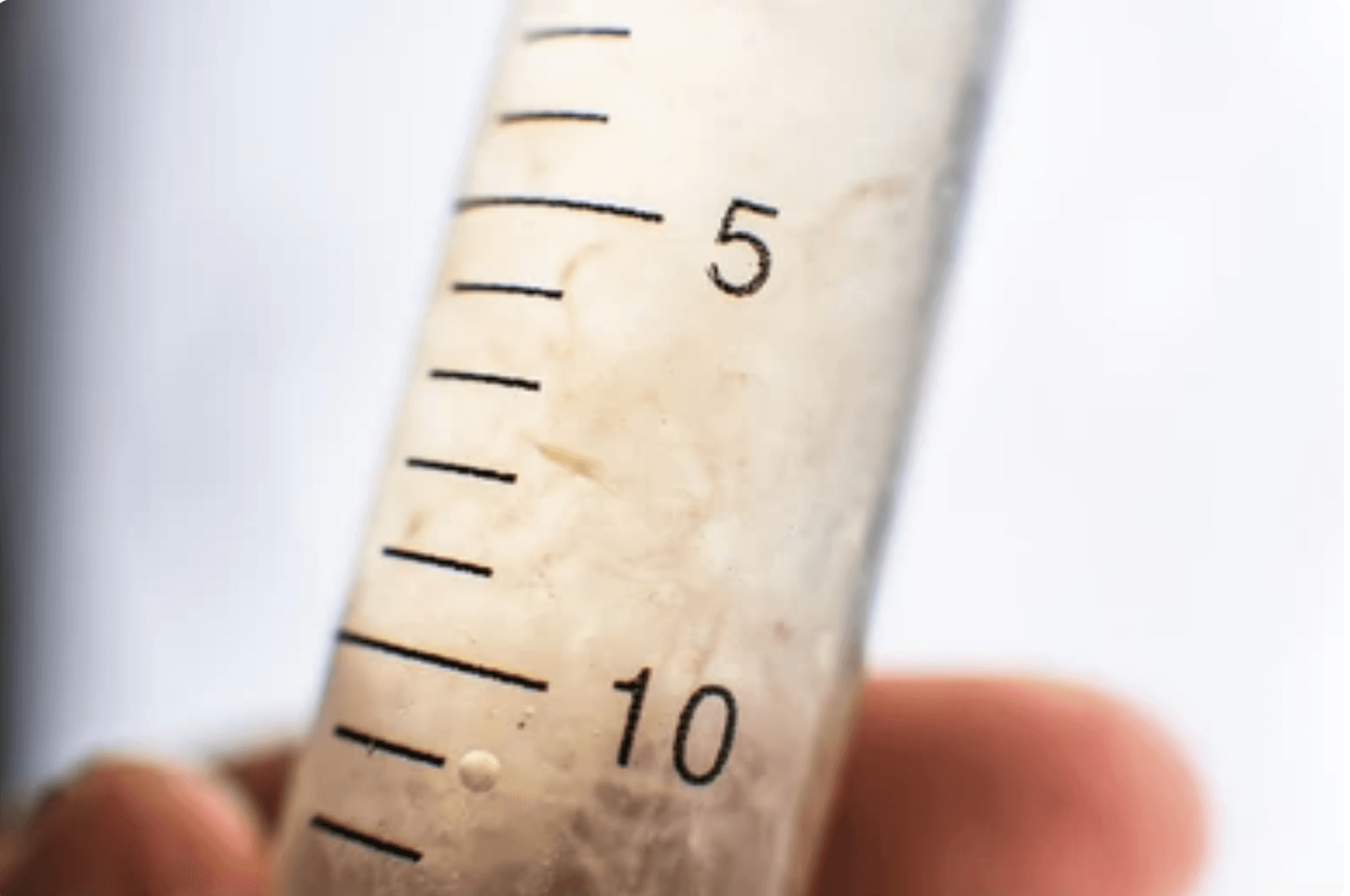
Expected Growth Timeline
- Days 1-2: No visible growth
- Days 3-4: Wispy strands appearing, often near inoculant
- Days 5-7: Rapid mycelial expansion, visible cloudiness from suspended mycelium
- Days 7-10: Dense, vigorous growth throughout solution
Growth with this recipe is typically 20-30% faster than sugar-only formulations.
Quality Indicators
Healthy culture:
- White, fluffy mycelial strands
- Breaks apart easily with agitation
- Pleasant, mushroomy aroma
- Consistent growth pattern
Warning signs:
- Coloured growth (contamination)
- Sour or off odours
- Slimy or gelatinous texture
- No growth after 14 days
Contamination Considerations
The nutrient richness of this recipe means contamination, if it occurs, will be aggressive. Monitor cultures closely, especially in the first few days.
Higher Risk Factors
- Rich nutrients support contaminant growth
- Cloudiness from peptone can mask early contamination
- Bacterial contamination particularly common
Prevention Strategies
- Impeccable sterile technique during inoculation
- Quality starting cultures (verified clean)
- Fresh, properly stored ingredients
- Strict sterilisation timing
- Daily visual inspection
When to Discard
- Any coloured growth (green, black, orange, pink)
- Strong off-odours
- Slimy film formation
- Excessive cloudiness beyond normal peptone effect
- Any doubt about culture health
Do not attempt to salvage potentially contaminated cultures. The nutrient richness makes separation impossible.
Storage
Active Use
- Room temperature: Use within 2 weeks for optimal results
- Agitate daily to maintain even distribution
- Check for contamination before each use
Long-term Storage
- Refrigerate at 2-4°C
- Viable for 2-4 months (shorter than sugar-only recipes)
- Peptone and yeast extract can degrade over extended storage
- Always test on agar before using stored cultures for important work
Cryopreservation (Advanced)
For long-term genetic preservation:
- Add 10% glycerol to mature culture
- Mix thoroughly
- Aliquot into cryovials
- Freeze at -20°C or -80°C
- Can remain viable for years
Troubleshooting
Slow Growth Despite Good Conditions
Possible causes:
- Peptone or yeast extract degraded
- Inoculant weak or old
- pH out of optimal range
- Temperature fluctuation
Solutions:
- Use fresh ingredients
- Verify inoculant viability on agar
- Test and adjust pH
- Ensure consistent temperature
Contamination in Multiple Batches
Possible causes:
- Sterile technique breakdown
- Contaminated inoculant
- Ingredient contamination
- Equipment issues
Solutions:
- Review entire sterile procedure
- Test inoculant on agar plates
- Replace ingredients from sealed, fresh stock
- Thoroughly clean and test pressure cooker
Solution Too Dark After Sterilisation
Possible causes:
- Sterilisation time exceeded
- Temperature too high
- Sugars caramelised
Solutions:
- Strictly time 20 minutes at 15 PSI
- Verify pressure cooker accuracy
- Prepare fresh solution
Tips for Success
- Invest in quality ingredients - Laboratory-grade peptone and yeast extract produce superior results
- Accurate scales are essential - 0.01g accuracy for small quantities
- Time sterilisation precisely - 20 minutes, not 25 or 30
- Agitate more frequently - The rich nutrients require more thorough distribution
- Start with proven cultures - Don't use this recipe for first-time culture expansion
- Maintain records - Track generations and performance for quality control
Scaling for Commercial Use
This recipe scales linearly for larger batches:
| Batch Size | LME | Dextrose | Peptone | Yeast Extract | Water |
|---|---|---|---|---|---|
| 1L | 20g | 6g | 2g | 1g | 1000ml |
| 5L | 100g | 30g | 10g | 5g | 5000ml |
| 10L | 200g | 60g | 20g | 10g | 10000ml |
For batches larger than 2L, consider:
- Multiple sterilisation cycles or larger autoclave
- Extended cooling time
- Industrial magnetic stirrers
- Aseptic transfer equipment
What's Next?
With professional-grade liquid culture, you're well-equipped for serious cultivation work. Consider exploring:
- Supplemented Substrate Guide - Prepare optimal growing media for your spawn
- Sterile Technique - Perfect your aseptic practices
- Cordyceps Cultivation Guide - Apply your skills to advanced species
Mastering this recipe puts you in the same league as commercial cultivators and research laboratories. Your cultures will colonise faster, produce more aggressive growth, and give you a significant advantage in your mycology work.